Acupuncture: Restoring the Body’s Regulatory Mechanisms — Not Chasing Pain
Acupuncture at Nature’s Chinese Medicine isn’t just for back pain. It’s a precise method for adjusting the cardiac drive, fluid pathway, and pressure regulation — the three core systems that govern how your body functions every day.

What Acupuncture Actually Does
Beyond pain relief — it’s regulatory medicine
Most people first encounter acupuncture for back pain, sports injuries, or migraines. It works for those — but that’s the surface of what acupuncture does. Underneath, every needle placement is making a precise adjustment to one of three regulatory systems:

Strengthens Cardiac Drive
Improves circulation to extremities. Warms hands & feet. Increases steady daily energy.
Clears Fluid Pathway
Resolves swelling, sinus congestion, fluid retention. Restores regular urination.
Regulates Pressure
Releases tension at the head, chest, jaw. Settles “wired but tired” patterns. Restores deep sleep.
Conditions Where Acupuncture Excels
Especially for chronic patterns where conventional treatment has plateaued
Pain & Musculoskeletal
- Chronic back pain
- Neck & shoulder tension
- Sciatica
- Knee pain & osteoarthritis
- Frozen shoulder
- Sports injuries
- Fibromyalgia
Stress, Sleep & Mood
- Insomnia & restless sleep
- Anxiety & panic patterns
- Burnout & chronic fatigue
- Tension headaches
- Migraines
- Brain fog
Women’s Health
- Period pain & PMS
- Irregular cycles
- Perimenopause symptoms
- Fertility support (alongside IVF)
- Postpartum recovery
- Endometriosis pain
Digestive
- IBS
- Reflux & bloating
- Chronic constipation
- Nausea (incl. chemo)
Recovery & Immunity
- Post-surgery recovery
- Long COVID / post-viral fatigue
- Recurring sinusitis
- Allergies
Other
- Tinnitus
- Vertigo / dizziness
- Bell’s palsy
- Cosmetic / facial rejuvenation
What to Expect at Your First Visit
No surprises — every step explained
Detailed Consultation
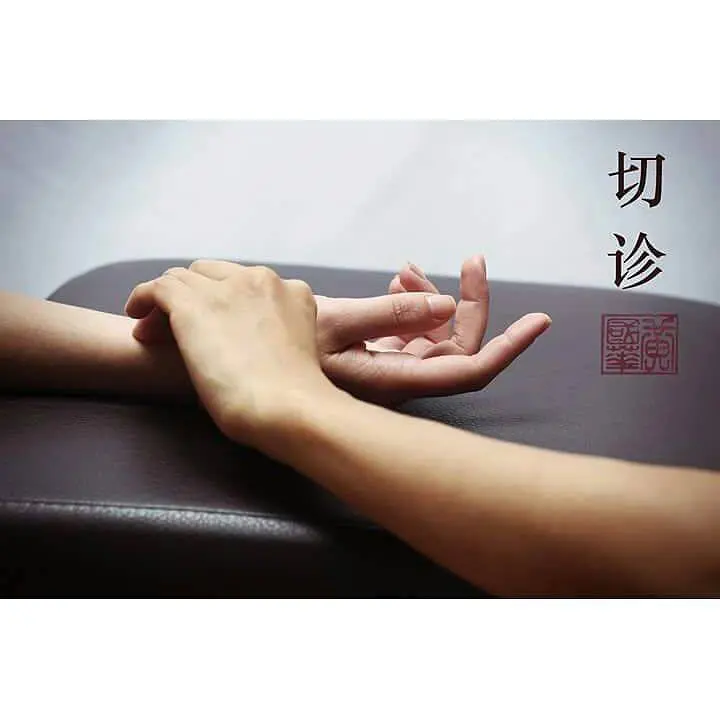
Health history, all six gold standards, pulse & tongue assessment.
Treatment Plan
Dr. Yang explains your pattern, target mechanisms, expected timeline.
Acupuncture Session
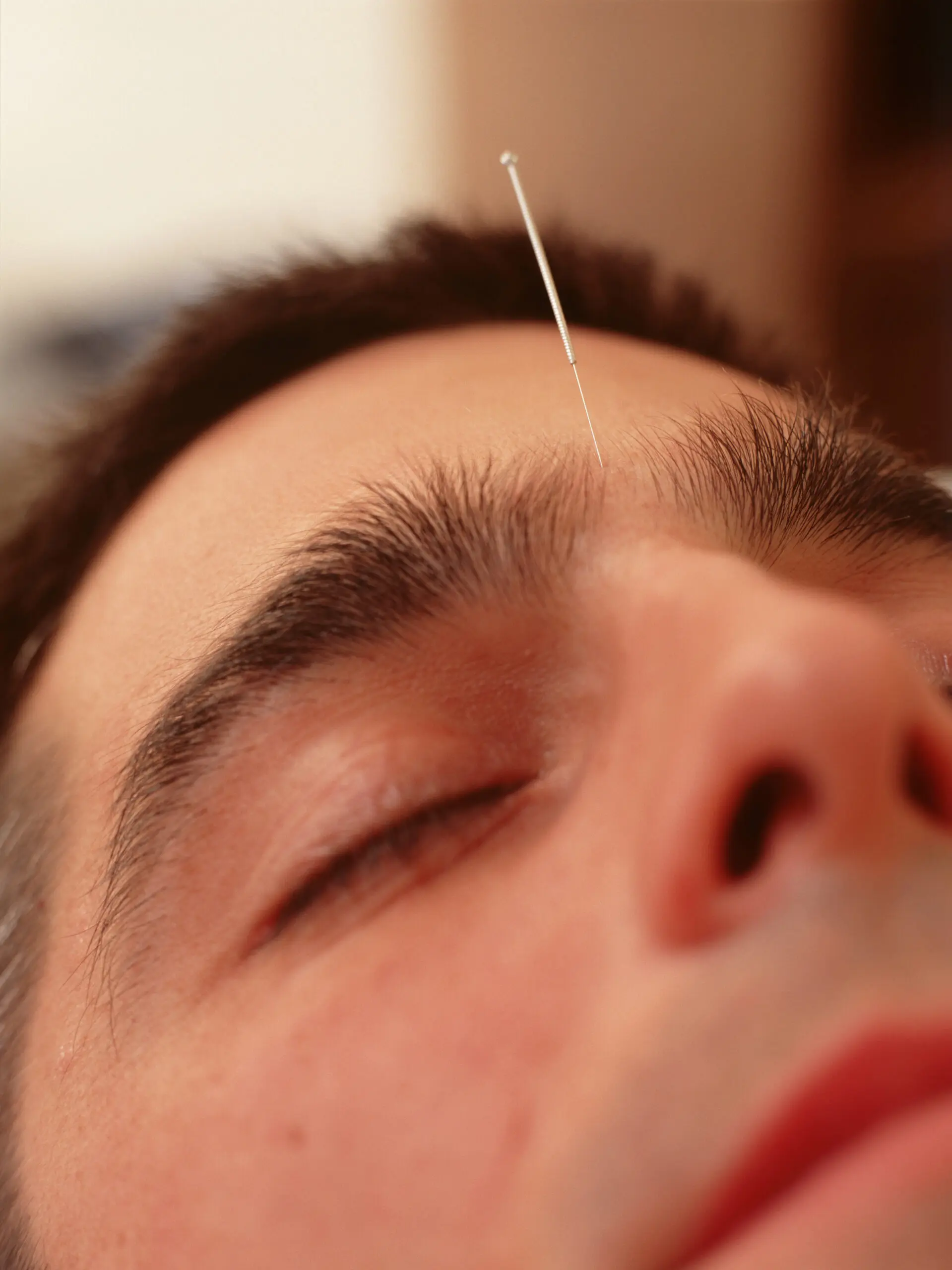
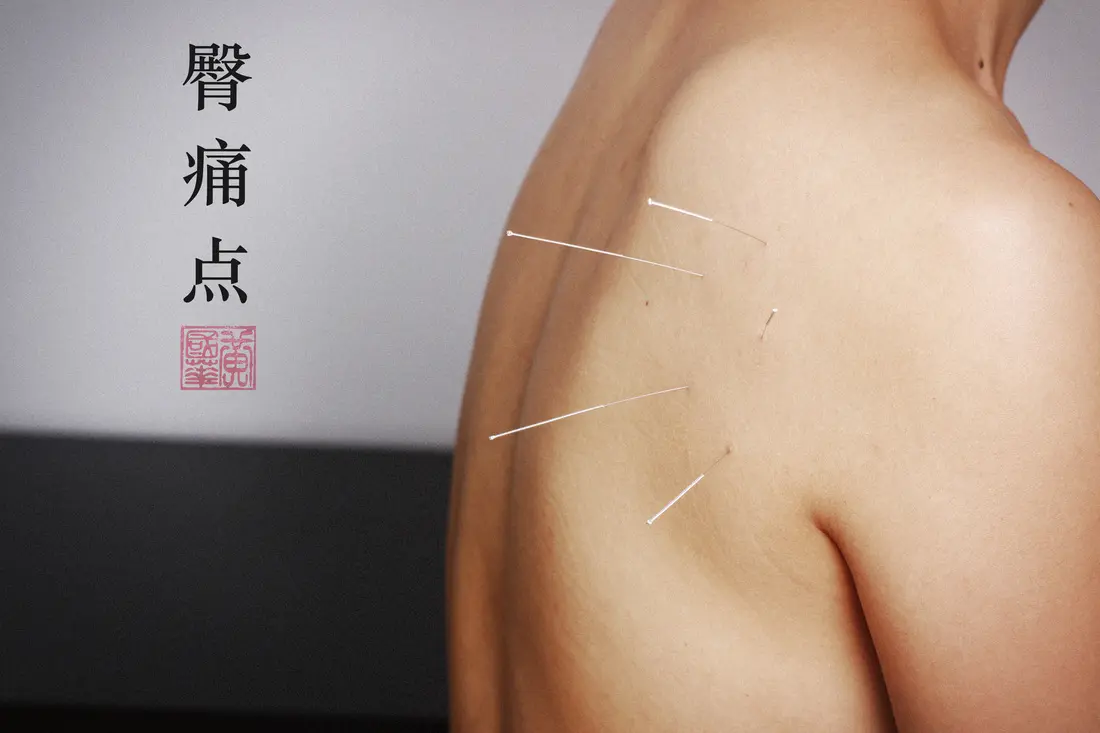
Single-use sterile needles. Most patients feel deeply relaxed.
Recovery & Follow-up
Brief rest. Self-care guidance. Re-book if part of multi-session plan.
Each step takes as long as your individual pattern requires — we never rush a session.
“Does it hurt?”
The needles we use are about the thickness of a human hair — many patients feel nothing on insertion. You may feel a brief warmth, dullness, or tingling at the point, which is the desired response. Most patients describe the session as deeply relaxing; many fall asleep during needle retention.
How many sessions?
Typical guidelines — but every patient’s severity is different, so your actual course depends on your individual pattern. Acute issues (sports injury, sprain): 3–6 sessions. Chronic patterns (insomnia, IBS, period pain): 8–12 sessions over 2–3 months. Deep restoration (post-illness, fertility support): 12+ sessions. More complex or longstanding patterns may take longer — and that’s appropriate, because the goal is systemic, holistic recovery (all six gold standards improving together), not just symptom suppression. We track all six gold standards weekly to confirm the direction.

Regular Maintenance — Preventive Acupuncture
When your pattern is restored, the next stage is keeping it that way
Many patients move to periodic maintenance acupuncture once their original condition has resolved. The goal shifts from fixing what’s wrong to preventing it from coming back — and addressing seasonal or stress-related fluctuations before they become full conditions.
This reflects the classical Chinese medicine principle of maintaining health before problems develop. It’s the same logic as dental cleanings, eye check-ups, or general practice annual reviews — just applied to the body’s regulatory mechanisms.
Common Maintenance Patterns
- Monthly — for ongoing stress, sleep, women’s cycle, or chronic-pattern support
- Fortnightly during high-load life periods — exam seasons, work deadlines, life transitions
- Quarterly seasonal visits — change-of-season tune-up (especially autumn-winter transition)
Maintenance sessions are lighter and shorter than active treatment — most patients describe them as a wellness ritual that leaves them deeply rested.
Why Our Acupuncture Is Different
Two advanced systems rarely offered in Western Australia
Master Tung’s Acupuncture
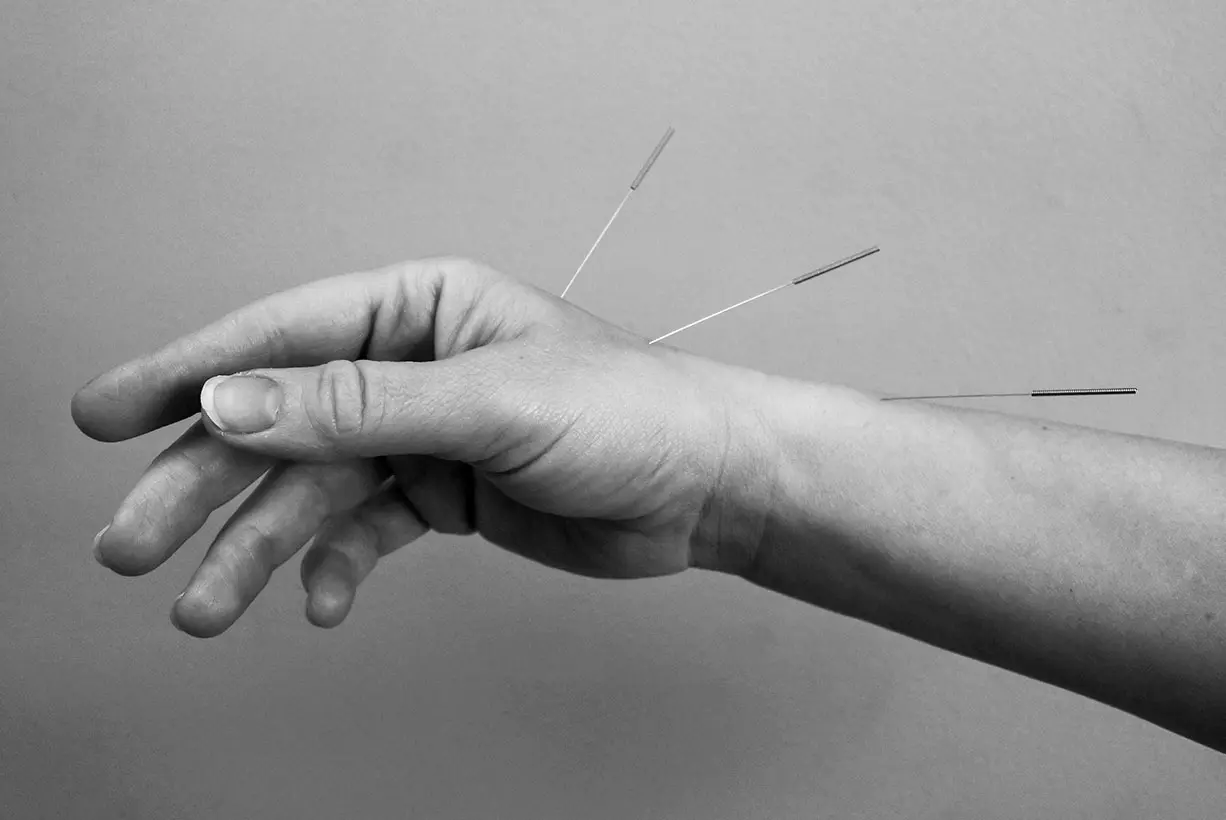
A specialised acupuncture system using points distant from the painful area. A point on the hand can resolve neck pain; a point on the foot can release lower back tension.
- Often produces immediate relief
- Patient stays clothed in most cases
- Few needles — typically 4–8 per session
- Especially suited to pain & movement disorders
Dr Tan Balance Method
Uses systematic pairing principles to select points that counterbalance tension in the affected area — like adjusting a pendulum from the opposite side.
- Treats both pain and internal patterns
- Logical, replicable point selection
- Excellent for stubborn or complex patterns
- Pairs well with herbal medicine
Dr. Yang trained in both systems and integrates them based on each patient’s pattern — not a one-size-fits-all approach.
Your Practitioners
60+ years combined classical experience
Dr. Fu Fu Yang
Founding practitioner since 1999. Specialises in Master Tung’s Acupuncture, internal medicine patterns, women’s health, and chronic complex cases.
Dr. Valen Yang
Specialises in Dr Tan Balance Method, sports injuries, pain management, and patient education through the six gold standards framework.
Frequently Asked Questions
Is acupuncture safe?
All treatment uses single-use sterile needles, hospital-grade infection control, and AHPRA-registered practitioners with current professional indemnity insurance. Acupuncture is practised under strict national registration standards when performed by registered professionals.
Will my private health insurance cover it?
Yes — acupuncture is covered by most Australian private health funds under “extras” or “natural therapies” coverage. We provide a HICAPS-compatible receipt; check with your fund for exact rebate amount. AHPRA registration is a prerequisite that we meet.
Can I have acupuncture if I’m pregnant?
Yes, with practitioner-specific point selection. Acupuncture during pregnancy is well-supported for nausea, lower back pain, breech positioning, and birth preparation. We avoid certain restricted points and follow protocols designed specifically for pregnancy.
How is acupuncture different from dry needling?
Dry needling uses similar tools but only addresses local muscle trigger points — typically 1–3 sessions for surface relief. Acupuncture under classical Chinese medicine addresses the underlying mechanism causing the muscle to be tight in the first place. The result is longer-lasting and often resolves the secondary issues (poor sleep, digestion, energy) the patient didn’t realise were connected.
Can I combine acupuncture with my GP’s prescriptions?
Yes. We work alongside your GP and specialists, never in place of them. Many patients use acupuncture to support reducing reliance on certain medications under their GP’s supervision (e.g., sleep aids, painkillers), but never independently of your prescribing doctor.
Do I need a GP referral?
No. You can book directly. If you’d like us to liaise with your GP — for ongoing condition management, post-surgical recovery, or chronic complex cases — we welcome that and can write summary letters with your consent.
What’s the cost?
See our fees page for current pricing. Consultations include needle treatment; herbal formulas (if prescribed) are billed separately.
Learn More — Related Articles
Deep-dive blog posts from Dr. Yang
Ready to find out which mechanism is involved?
45–60 min initial consultation · Belmont Perth · Geraldton WA
Book Acupuncture via WhatsApp